Manual Therapy and Exercise for Rotator Cuff Disease: What the Evidence Really Shows
The updated Cochrane review on manual therapy and exercise for rotator cuff disease reveals surprising findings. With 60 trials but only one high-quality study on combined treatment, discover what the evidence really tells us about this common physiotherapy approach.
The GdayPhysiotherapist Team
2 January 2026
5 min read
Manual Therapy and Exercise for Rotator Cuff Disease: What the Evidence Really Shows
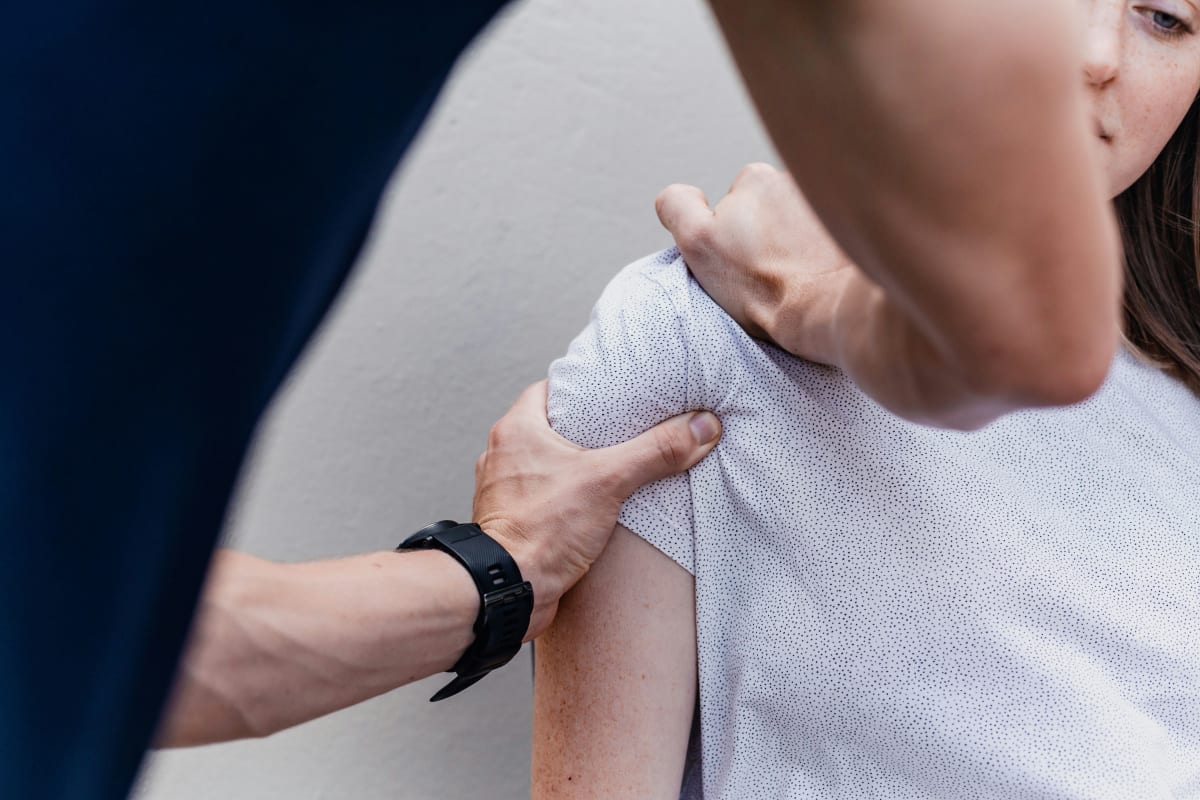
The shoulder is one of the most commonly injured joints we see in clinical practice. Rotator cuff disease affects roughly 30% of people over 60, and managing it effectively remains a challenge for many clinicians. When a patient presents with shoulder pain, the treatment combination of manual therapy and exercise seems intuitive—but does the evidence actually support this approach?
The Cochrane Collaboration's systematic review examining manual therapy and exercise for rotator cuff disease (Page et al., 2016 — the most recent Cochrane review on this topic) has findings that might surprise you. The 2025 JOSPT clinical practice guideline summarised later in this article is a newer source for current recommendations.
What Did the Review Actually Examine?
The review analyzed 60 trials involving 3,620 participants—a substantial evidence base. However, here's the catch: only 10 of those trials examined manual therapy and exercise in combination, which is how most of us actually practice.
The typical patient in these studies was 51 years old, 52% female, with symptoms lasting an average of 11 months. Most interventions ran for six weeks, which aligns with what we commonly see in outpatient settings.
The Main Findings: Manual Therapy + Exercise vs Placebo
One high-quality trial stood out. This study followed 120 patients with chronic rotator cuff disease over 10 weeks, comparing combined manual therapy and exercise to inactive ultrasound (used as placebo).
Here's what they found:
Pain Reduction
The treatment group improved by 6.8 points more on a 100-point pain scale compared to placebo. That's a 7% absolute improvement. While statistically significant, this falls below the minimal clinically important difference (MCID) for shoulder pain, which typically ranges from 10-15 points.
Functional Improvement
Function improved by 7.1 points more than placebo (7% absolute improvement). Again, this is measurable but modest.
Treatment Success
Here's where things get more interesting: 57% of patients in the treatment group reported successful outcomes versus 41% with placebo. That's a 16% absolute difference—meaningful in clinical terms.
Adverse Events
About 31% of patients experienced mild adverse events with treatment compared to 8% with placebo. The good news? These were described as "mild in nature"—think temporary soreness or fatigue rather than serious complications.
What About Other Comparisons?
The review also looked at manual therapy and exercise compared to other interventions:
- Glucocorticoid injections: Low quality evidence made firm conclusions difficult
- Arthroscopic decompression: Again, low quality evidence
- NSAIDs: Very low quality evidence
- Combination therapies: Very low quality evidence
The pattern here is clear: we simply don't have enough high-quality trials comparing combined manual therapy and exercise to other common treatments.
The Clinical Reality Check
You might be thinking: "Only one high-quality trial? That seems limited." You'd be right to think that way.
Despite identifying 60 eligible trials overall, the Cochrane authors emphasised that "only one trial compared a combination of manual therapy and exercise reflective of common current practice to placebo." This highlights a significant gap between research and real-world clinical practice.
The authors concluded there were "no clinically important differences between groups in any outcome" for pain, though function showed slight improvement. The benefits appear modest at best.
What Does the 2025 Clinical Practice Guideline Say?
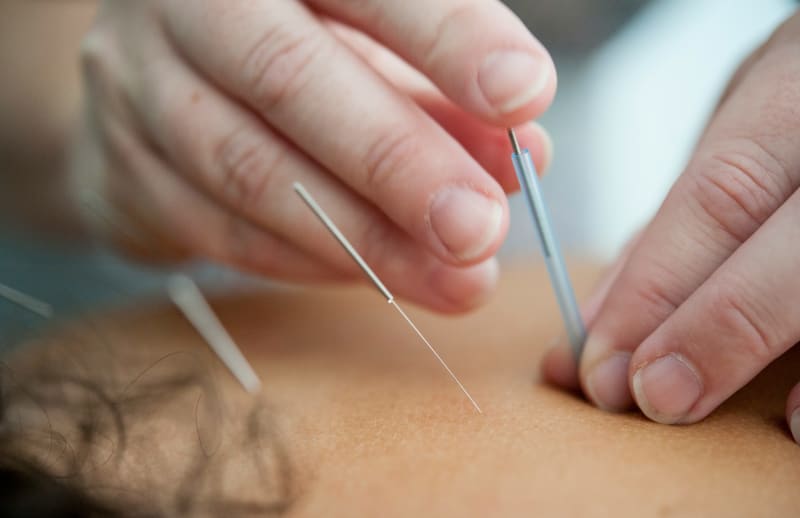
The new 2025 clinical practice guideline published in the Journal of Orthopaedic & Sports Physical Therapy provides updated recommendations for rotator cuff tendinopathy. The guideline positions exercise therapy as the cornerstone of recovery, while adjunct therapies like manual therapy, taping, and acupuncture may be considered selectively.
Recent research on the FITT principle (Frequency, Intensity, Type, Time) for exercise therapy shows that motor control exercise programs were probably slightly superior to nonspecific exercise programs for rotator cuff-related shoulder pain, though the specific mechanisms remain unclear.
What Does This Mean for Your Clinical Practice?
Here's the pragmatic takeaway: manual therapy combined with exercise for rotator cuff disease shows:
- Small but real effects on pain and function when compared to placebo
- Better patient-reported success rates (16% absolute improvement)
- Mild, manageable side effects that are more common than placebo but not serious
- Limited high-quality evidence comparing this approach to other active treatments
- Exercise should be the primary intervention based on 2025 guidelines
The review doesn't tell us that manual therapy and exercise don't work—rather, it highlights that the improvements are modest and may not reach clinically important thresholds for all patients.
Practical Considerations
When treating rotator cuff disease, consider:
- Patient expectations: Be honest about likely outcomes. Small improvements are still improvements, especially when combined with the natural history of the condition
- Individual response: Some patients will be among the 57% who report treatment success. The challenge is identifying them early
- Exercise as primary treatment: The 2025 guideline emphasizes exercise therapy as the cornerstone, with manual therapy as a potential adjunct
- Treatment duration: Most studies used 6-week programs. Chronic cases may need longer intervention periods
- Adverse event management: Monitor for mild soreness and adjust treatment intensity accordingly
- Motor control focus: Consider incorporating motor control exercises, which show promise in recent research
The Research Gap
What we really need are more high-quality trials comparing:
- Manual therapy + exercise vs exercise alone
- Manual therapy + exercise vs manual therapy alone
- Manual therapy + exercise vs other evidence-based interventions
- Different types and dosages of manual therapy combined with exercise
- Long-term outcomes beyond the typical 6-12 week study period
- Optimal FITT parameters for exercise programs
Until we have this evidence, clinical decision-making will continue to rely on clinical expertise, patient preferences, and modest research findings.
Bottom Line
Manual therapy combined with exercise for rotator cuff disease shows statistically significant but clinically modest benefits over placebo. About 57% of patients report successful outcomes—better than the 41% with placebo, but nowhere near a guaranteed response.
The evidence base is surprisingly thin for such a common treatment combination. This doesn't mean we should abandon the approach, but it does mean we should maintain realistic expectations and continue to individualise treatment based on patient response.
The 2025 clinical practice guideline reinforces that exercise therapy should be the primary intervention, with manual therapy considered as an adjunct treatment option. As clinicians, we work with the evidence we have while acknowledging its limitations.
For rotator cuff disease, that means recognising that our hands-on and exercise interventions produce small but real benefits for some patients, mild side effects for others, and outcomes that often fall short of what research defines as clinically important differences.
The key is honest communication with patients about what they can reasonably expect from treatment—and remaining open to adjusting our approach when the expected benefits don't materialise.
Key Takeaways
✓ One high-quality trial shows manual therapy + exercise produces modest improvements over placebo ✓ Pain and function improvements are small (around 7% on standardised scales) ✓ Patient-reported success is 16% higher than placebo (57% vs 41%) ✓ Adverse events are mild but more common than placebo (31% vs 8%) ✓ Evidence gaps exist for comparisons with other active treatments ✓ Exercise therapy is the cornerstone according to 2025 guidelines ✓ Clinical judgment remains essential given modest effect sizes
This article is part of our Clinical Evidence Series, designed to help Australian physiotherapists stay current with high-quality research relevant to daily practice.
Frequently Asked Questions
Does manual therapy and exercise work for rotator cuff disease?
Yes, but the benefits are modest. The Cochrane review found that manual therapy combined with exercise improved pain by 6.8 points (on a 100-point scale) and function by 7.1 points compared to placebo. While statistically significant, these improvements fall below what is typically considered clinically important. However, 57% of patients reported successful outcomes versus 41% with placebo—a meaningful 16% difference.
What were the adverse effects of manual therapy and exercise?
About 31% of patients experienced mild adverse events (such as temporary soreness or fatigue) compared to 8% with placebo. The good news is that these side effects were described as "mild in nature" with no serious complications reported in the trials.
How does manual therapy and exercise compare to other treatments?
Unfortunately, the evidence is limited. While the review identified 60 trials, only one high-quality study examined manual therapy and exercise combined (as used in clinical practice) versus placebo. Comparisons with glucocorticoid injections, arthroscopic decompression, and NSAIDs had low or very low-quality evidence, making firm conclusions difficult.
What does the 2025 clinical practice guideline say about rotator cuff treatment?
The 2025 JOSPT clinical practice guideline positions exercise therapy as the cornerstone of recovery for rotator cuff tendinopathy. Adjunct therapies like manual therapy, taping, and acupuncture may be considered selectively to complement exercise programs, but exercise remains the primary recommended intervention.
How long should treatment continue for rotator cuff disease?
Most studies in the Cochrane review used 6-week programs, which aligns with typical outpatient settings. However, chronic cases may need longer intervention periods. The key is monitoring patient response and adjusting treatment duration accordingly.
What is the typical patient profile for rotator cuff disease?
Based on the trials reviewed, the typical patient was 51 years old, 52% female, with symptoms lasting an average of 11 months. However, rotator cuff disease affects roughly 30% of people over 60, making it one of the most common shoulder conditions in clinical practice.
Legal Information & Attribution
Content License: CC-BY-4.0
Attribution:
Based on the Cochrane systematic review "Manual therapy and exercise for rotator cuff disease" by Page et al., 2016.
Sources & References
Manual therapy and exercise for rotator cuff disease
Page MJ, Green S, McBain B, Surace SJ, Deitch J, Lyttle N, Mrocki MA, Buchbinder R — Cochrane Database of Systematic Reviews
https://www.cochrane.org/evidence/CD012224_manual-therapy-and-exercise-rotator-cuff-disease
Rotator Cuff Tendinopathy Diagnosis, Nonsurgical Medical Care, and Rehabilitation: A Clinical Practice Guideline
JOSPT Authors — Journal of Orthopaedic & Sports Physical Therapy
https://www.jospt.org/doi/10.2519/jospt.2025.13182
The Efficacy of Exercise Therapy for Rotator Cuff–Related Shoulder Pain According to the FITT Principle: A Systematic Review With Meta-analyses
Lafrance S, et al. — Journal of Orthopaedic & Sports Physical Therapy
https://www.jospt.org/doi/10.2519/jospt.2024.12453
Efficacy of standardised manual therapy and home exercise programme for chronic rotator cuff disease: randomised placebo controlled trial
Bennell KL, et al. — British Medical Journal
https://pmc.ncbi.nlm.nih.gov/articles/PMC2882554/
This content is a derivative work based on the sources cited above.