Hip Osteoarthritis Clinical Practice Guideline 2025: APTA Revision Updates Treatment Recommendations
The APTA has released an updated clinical practice guideline for hip pain and mobility deficits related to hip osteoarthritis. The 2025 revision strengthens recommendations for individualised exercise programs and introduces updated evidence for aquatic therapy, manual therapy, and patient education.
The GdayPhysiotherapist Team
31 January 2026
7 min read
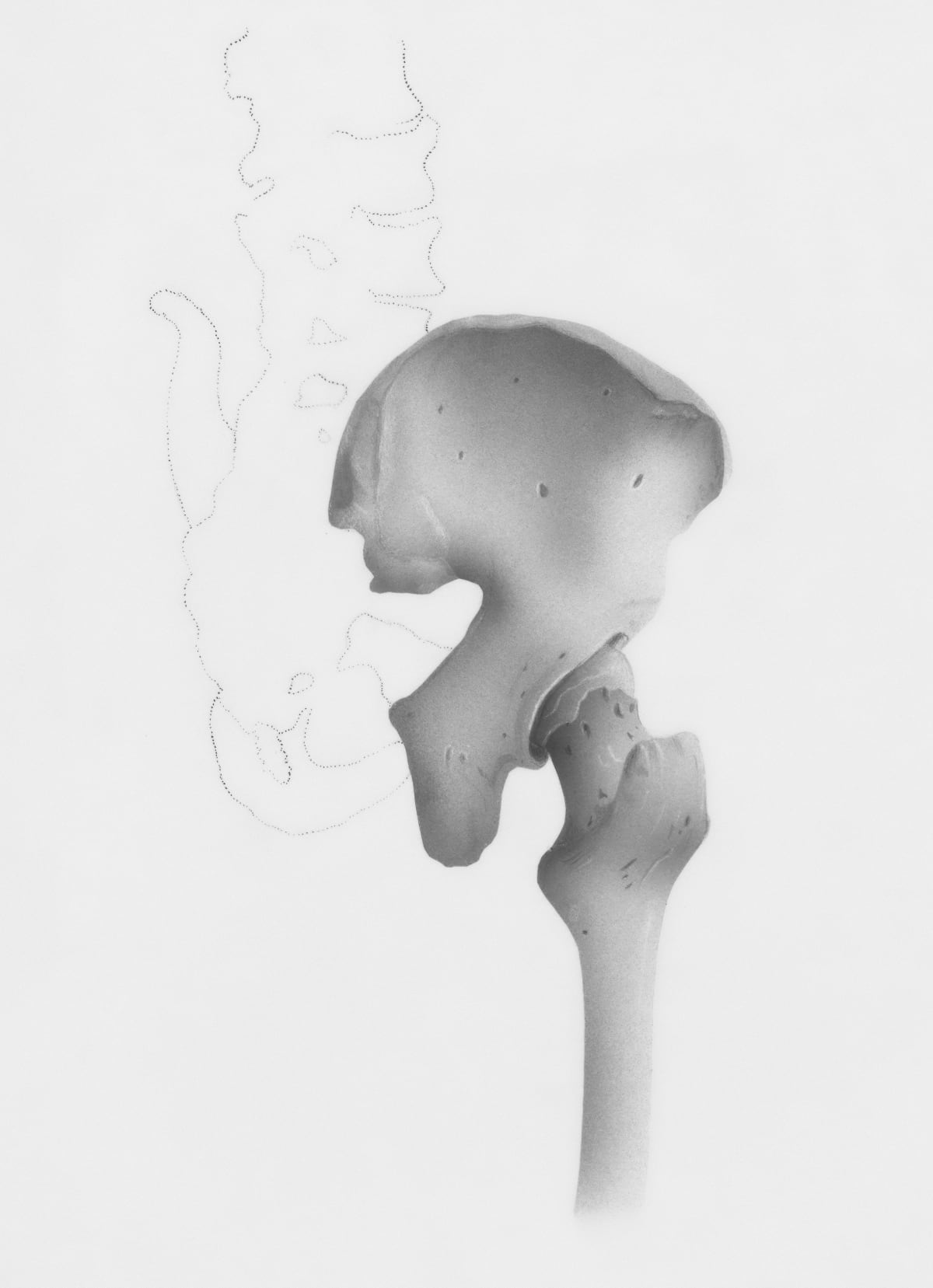
Hip Osteoarthritis Clinical Practice Guideline 2025: APTA Revision Updates Treatment Recommendations
Hip osteoarthritis (OA) affects millions of Australians, causing significant pain, mobility deficits, and reduced quality of life. As physiotherapists, we are often the first point of contact for patients seeking non-surgical management of this progressive condition. The American Physical Therapy Association (APTA) has now released an updated clinical practice guideline that provides contemporary, evidence-based recommendations for our management of hip OA.
The 2025 revision incorporates substantial new evidence published since the previous guideline, strengthening recommendations for exercise therapy while clarifying the role of adjunct interventions including aquatic therapy, manual therapy, and patient education.
What's New in the 2025 Revision?
The updated guideline reflects significant advances in our understanding of hip OA management. Key changes include:
Strengthened Exercise Recommendations
Exercise therapy remains the cornerstone of hip OA management, but the 2025 revision provides more specific guidance on program design:
- Individualised programming is emphasised over generic protocols
- Progressive loading principles should guide exercise prescription
- Multimodal approaches combining strengthening, flexibility, and aerobic exercise show superior outcomes
- Long-term adherence strategies are critical for sustained benefit
Updated Evidence for Aquatic Therapy
The guideline now provides stronger support for aquatic therapy as an effective treatment option:
- Aquatic exercise demonstrates equivalent benefits to land-based exercise for pain and function
- Particularly beneficial for patients with severe symptoms or obesity
- Reduced joint loading allows exercise progression in patients intolerant of land-based programs
- Can be used as a bridge to land-based exercise or as ongoing maintenance
Refined Manual Therapy Recommendations
Manual therapy remains an adjunct intervention with updated guidance:
- Joint mobilisation may provide short-term pain relief
- Soft tissue techniques can address muscle guarding and flexibility deficits
- Should complement rather than replace exercise therapy
- Combined manual therapy and exercise shows superior outcomes to either alone
Evidence-Based Recommendations Summary
The 2025 CPG uses a standardised grading system to indicate strength of recommendations. Here are the key takeaways for clinical practice:
Strong Recommendations (Grade A)
| Intervention | Recommendation |
|---|---|
| Therapeutic Exercise | Individualised strengthening, flexibility, and aerobic exercise programs (1–5 sessions/week for 5–16 weeks; aquatic exercise effective for pain, ROM, gait, balance, and function) |
| Manual Therapy | Hip joint mobilisation techniques as a primary intervention |
| Dry Needling | Recommended for Grade II–III hip OA for short-term improvements in pain, ROM, strength, and function |
Moderate Recommendations (Grade B)
| Intervention | Recommendation |
|---|---|
| Patient Education | Self-management strategies, activity modification, exercise principles |
| Weight Loss | Collaboration with patients toward specific reduction targets |
Limited Recommendations (Grade C)
| Intervention | Recommendation |
|---|---|
| Walking Aids | Appropriate assistive devices and gait training when indicated |
| Functional Training | Gait and balance training as part of multimodal management |
Exercise Prescription Parameters
The guideline provides specific guidance on exercise dosage:
Strengthening Exercises:
- Target hip abductors, extensors, quadriceps, and core
- 2-3 sessions per week minimum
- Progressive resistance with 8-12 repetitions
- Include both open and closed kinetic chain exercises
Flexibility Exercises:
- Daily stretching recommended
- Target hip flexors, adductors, and external rotators
- Hold positions for 30-60 seconds
- Address muscle length deficits identified on examination
Aerobic Conditioning:
- 150 minutes per week of moderate intensity activity
- Low-impact options preferred (cycling, swimming, walking)
- Progress duration and intensity based on tolerance
Clinical Examination Recommendations
The guideline emphasises the importance of comprehensive assessment to guide individualised treatment:
Activity Limitation and Participation Measures
- Hip disability and Osteoarthritis Outcome Score (HOOS)
- Lower Extremity Functional Scale (LEFS)
- 6-Minute Walk Test
- Timed Up and Go (TUG)
- 30-Second Chair Stand Test
Physical Impairment Measures
- Hip range of motion (flexion, extension, abduction, rotation)
- Hip muscle strength testing (particularly abductors and extensors)
- Gait analysis including Trendelenburg assessment
- Leg length discrepancy measurement
The Role of Aquatic Therapy
One notable update in the 2025 revision is the strengthened evidence for aquatic therapy. For many of our patients with hip OA, land-based exercise may be challenging due to:
- Severe pain with weight-bearing
- Obesity increasing joint loading
- Comorbidities limiting exercise tolerance
- Fear of movement or falling
Aquatic therapy addresses these barriers by:
- Reducing joint loading through buoyancy (up to 90% weight reduction in chest-deep water)
- Providing resistance for strengthening through water viscosity
- Enabling cardiovascular training with reduced impact
- Improving confidence in a supportive environment
The evidence shows aquatic exercise produces comparable improvements in pain and function to land-based programs, making it a valuable option for appropriate patients.
Patient Education: A Core Component
The 2025 guideline reinforces patient education as essential to successful management:
Key Education Topics
- Understanding osteoarthritis: Explaining the condition without catastrophising
- Pain neuroscience: Helping patients understand that movement is safe
- Activity modification: Adapting rather than avoiding activities
- Self-management strategies: Heat/cold, pacing, flare management
- Weight management: Impact of body weight on joint loading
- Long-term prognosis: Setting realistic expectations
Exercise Adherence
The guideline acknowledges that exercise only works if patients actually do it. Strategies to improve adherence include:
- Involving patients in program design
- Setting meaningful functional goals
- Regular follow-up and program progression
- Home exercise programs with clear instructions
- Integration with daily activities
When to Consider Surgical Referral
While the guideline focuses on conservative management, it provides guidance on appropriate surgical referral:
Consider referral when:
- Significant functional limitation persists despite 3-6 months of adequate conservative treatment
- Severe radiographic changes with persistent symptoms
- Night pain significantly affecting sleep quality
- Quality of life substantially impaired
Important considerations:
- Pre-operative physiotherapy improves post-surgical outcomes
- Patient expectations should be discussed prior to surgery
- Total hip replacement has excellent outcomes for appropriate candidates
- Conservative management may still be preferred by some patients
Applying the Guideline in Australian Practice
While this is an American guideline, the evidence-based recommendations translate well to Australian physiotherapy practice:
Medicare and Private Health Considerations
- Chronic Disease Management plans support ongoing physiotherapy
- Group exercise programs offer cost-effective options
- Aquatic therapy may be accessed through community facilities
- Telehealth can support exercise adherence between appointments
Indigenous and Rural Populations
- Consider access barriers to supervised programs
- Community-based exercise options may be valuable
- Telehealth delivery of education and exercise review
- Cultural considerations in exercise prescription
Clinical Implementation Checklist
When managing patients with hip OA, ensure you address:
✓ Comprehensive assessment using validated outcome measures
✓ Individualised exercise program addressing identified impairments
✓ Patient education on self-management and activity modification
✓ Progressive loading with regular program review
✓ Aquatic therapy consideration for appropriate patients
✓ Manual therapy as adjunct for short-term symptom relief
✓ Weight management integration for overweight patients
✓ Long-term adherence strategies and independent exercise transition
✓ Surgical referral when conservative management inadequate
Key Takeaways
✓ Exercise is the primary intervention for hip OA—this recommendation is now stronger than ever
✓ Individualisation is essential—generic programs are less effective than tailored approaches
✓ Aquatic therapy is effective and should be considered for patients intolerant of land-based exercise
✓ Manual therapy complements exercise but should not replace it
✓ Patient education drives self-management and long-term adherence
✓ Multimodal approaches combining exercise, education, and weight management show best outcomes
✓ Conservative management is first-line—surgery reserved for those who fail adequate physiotherapy
The 2025 APTA Clinical Practice Guideline provides a robust framework for evidence-based management of hip osteoarthritis. By implementing these recommendations, we can optimise outcomes for our patients while ensuring our practice aligns with contemporary evidence.
This article is part of our Clinical Evidence Series, designed to help Australian physiotherapists stay current with high-quality research and clinical guidelines relevant to daily practice.
Frequently Asked Questions
What are the key changes in the 2025 hip osteoarthritis CPG?
The 2025 revision strengthens the recommendation for individualised exercise programs as the primary intervention for hip OA. It provides updated evidence supporting aquatic therapy as an effective alternative for patients who cannot tolerate land-based exercise. The guideline also emphasises multimodal treatment approaches combining exercise, patient education, and weight management for optimal outcomes.
What exercises are recommended for hip osteoarthritis?
The guideline recommends a combination of strengthening exercises (particularly for hip abductors, extensors, and quadriceps), flexibility exercises to maintain range of motion, and aerobic conditioning. Programs should be individualised based on patient presentation, with progressive loading and functional movement integration. Both land-based and aquatic exercise programs are supported by strong evidence.
Is aquatic therapy effective for hip osteoarthritis?
Yes, the 2025 guideline provides moderate to strong evidence supporting aquatic therapy for hip OA. Aquatic exercise reduces joint loading while allowing strengthening and cardiovascular training. It is particularly recommended for patients with severe symptoms, obesity, or those who cannot tolerate land-based exercise due to pain or comorbidities.
What is the role of manual therapy in hip osteoarthritis treatment?
Manual therapy techniques including joint mobilisation and soft tissue massage may be used as adjunct treatments to complement exercise therapy. The evidence supports manual therapy for short-term pain relief and improved range of motion, but it should not replace exercise as the primary intervention. The combination of manual therapy with exercise appears more effective than either alone.
Should patients with hip OA avoid exercise due to pain?
No. The guideline emphasises that exercise is safe and beneficial even in the presence of pain. Clinicians should educate patients that some discomfort during exercise is acceptable and does not indicate joint damage. Activity modification rather than avoidance is recommended, with exercise programs adjusted to patient tolerance while maintaining progressive loading principles.
When should hip replacement surgery be considered?
The guideline recommends conservative management including physiotherapy as first-line treatment for hip OA. Surgical referral should be considered when patients have significant functional limitation despite adequate conservative treatment (typically 3-6 months of supervised physiotherapy), or when radiographic findings indicate severe joint degeneration with persistent symptoms affecting quality of life.
Legal Information & Attribution
Content License: CC-BY-4.0
Attribution:
Based on the APTA Clinical Practice Guideline for Hip Pain and Mobility Deficits—Hip Osteoarthritis, 2025 Revision.
Sources & References
Hip Pain and Mobility Deficits—Hip Osteoarthritis: Clinical Practice Guideline Revision 2025
Academy of Orthopaedic Physical Therapy, American Physical Therapy Association — Journal of Orthopaedic & Sports Physical Therapy
https://www.jospt.org/toc/jospt/current
Exercise for osteoarthritis of the hip
Fransen M, McConnell S, Hernandez-Molina G, Reichenbach S — Cochrane Database of Systematic Reviews
https://www.cochranelibrary.com/cdsr/doi/10.1002/14651858.CD007912.pub2/full
OARSI guidelines for the non-surgical management of knee, hip, and polyarticular osteoarthritis
Bannuru RR, Osani MC, Vaysbrot EE, et al. — Osteoarthritis and Cartilage
2019 American College of Rheumatology/Arthritis Foundation Guideline for the Management of Osteoarthritis of the Hand, Hip, and Knee
Kolasinski SL, Neogi T, Hochberg MC, et al. — Arthritis & Rheumatology
This content is a derivative work based on the sources cited above.